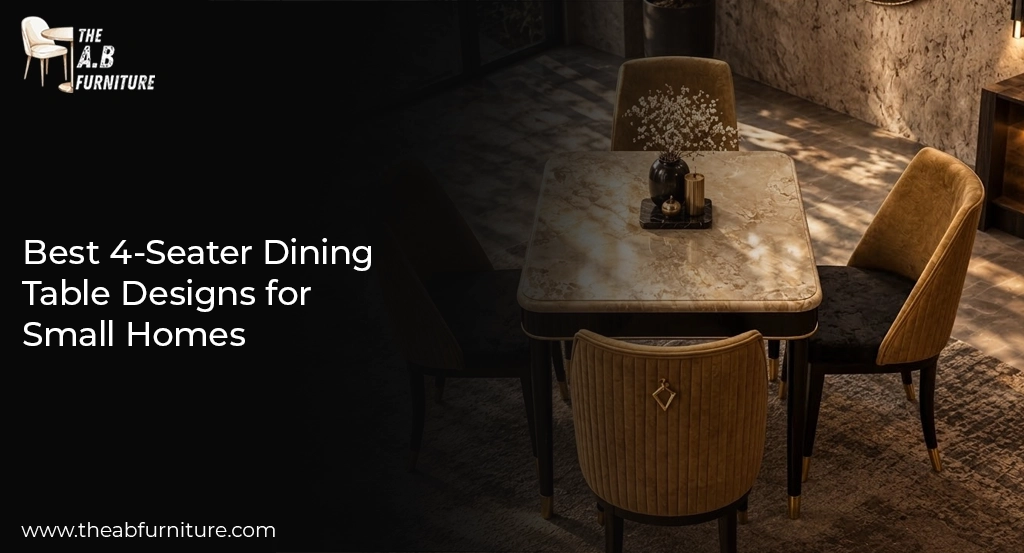

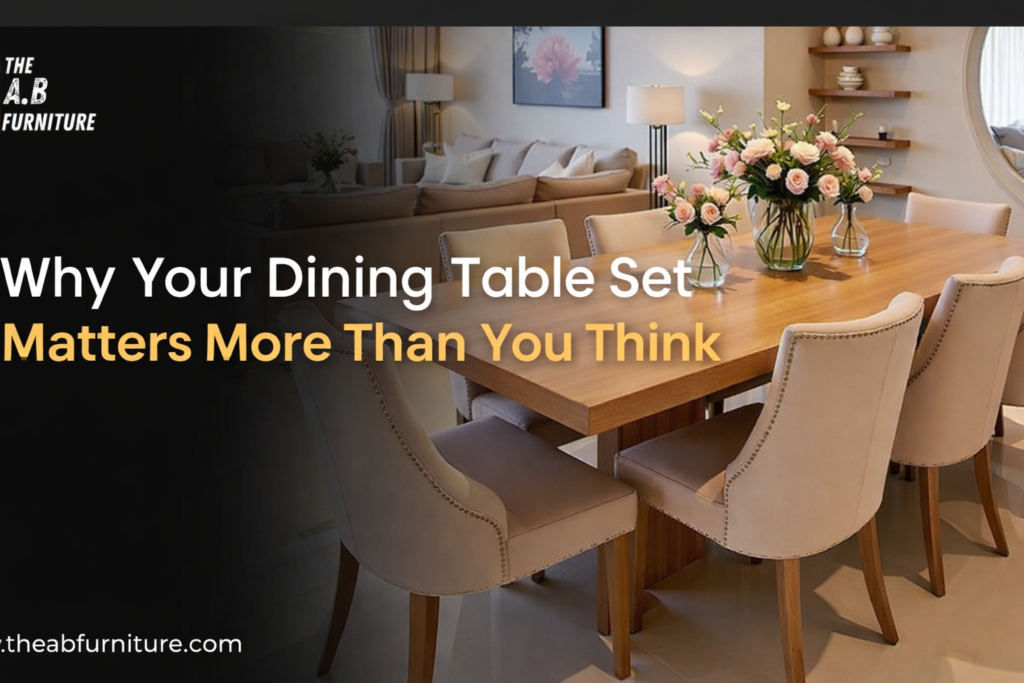
Let’s be honest—your dining table isn’t just furniture. It’s where life happens. From quick breakfasts to late-night conversations, it becomes the silent witness to your daily routine. In 2026, designers increasingly describe dining tables as the “anchor” of modern homes, reflecting both functionality and emotional connection.
Think about it: where do families gather the most? Not always the living room. It’s often the dining table where stories are shared, laughter echoes, and decisions are made. This shift is one of the reasons why the global dining table market is booming, projected to reach $16.01 billion by 2034.
A well-chosen dining table set creates a welcoming vibe. It sets the tone for your home. Whether you prefer cozy dinners or hosting guests, the right table can elevate the entire experience. It’s like choosing the main character of your home’s story—everything else revolves around it.
Today’s dining tables are multitaskers. They’re no longer just for meals—they double as workstations, study desks, and even creative hubs. With hybrid lifestyles becoming the norm, your dining table must adapt to multiple roles without compromising comfort or style.
Imagine working from home while your kids do homework beside you. Later, that same table transforms into a dinner setup. That’s the reality of modern living. This is why buyers are now prioritizing durability, flexibility, and smart design over just looks.
The rise of multi-functional furniture—like extendable tables and storage-integrated designs—shows how important versatility has become.
Choosing the right size is where most people go wrong. Ever sat at a table that felt too cramped or awkwardly large? That’s a sizing issue.
Standard dining tables typically follow these dimensions:
| Seating Capacity | Table Length |
| 2–4 people | 36–48 inches |
| 4–6 people | 60–72 inches |
| 6–8 people | 72–96 inches |
These sizes aren’t random—they’re based on comfort and usability. You need enough elbow room to eat without bumping into someone every two minutes.
The key rule? Allow at least 24 inches per person. That’s your comfort zone.
Space Clearance and Layout Tips
Here’s a golden rule: your table shouldn’t suffocate your room.
Interior experts recommend leaving at least 36 inches of space around the table for movement.
A simple trick: mark your table size on the floor with tape and live with it for a day or two. Walk around it. Open doors. Sit down. If it feels tight, it is.
Good spacing isn’t just about comfort—it’s about flow. Your dining area should feel open, not crowded.
Rectangular Tables
Rectangular tables are the most popular—and for good reason. They’re practical, space-efficient, and ideal for larger families.
They fit perfectly in long dining rooms and offer maximum seating capacity. That’s why they dominate the global market.
If you love hosting dinner parties, this shape is your best friend.
Round and Square Tables
Round tables are all about connection. No corners, no hierarchy—just equal space for everyone.
They’re perfect for small families or compact spaces. Plus, they encourage conversation. Ever noticed how everyone feels more engaged around a round table?
Square tables, on the other hand, work best in square rooms. They create a balanced, symmetrical look but may not be ideal for large gatherings.
Wood vs Glass vs Metal
Material isn’t just about looks—it determines durability, maintenance, and even mood.
Wood remains the most preferred choice due to its durability and natural appeal.
Modern Hybrid Materials
2026 is all about mixing materials. Think wood + metal or marble + steel.
These combinations create unique aesthetics while improving functionality.
Hybrid materials also allow you to match different interior styles effortlessly. It’s like getting the best of both worlds.
Minimalist and Modern Styles
Minimalism is still dominating. Clean lines, neutral tones, and simple shapes are everywhere.
These designs focus on functionality without clutter. They’re perfect if you love a clean, modern look.
Luxury and Statement Designs
On the other side, bold and dramatic tables are trending too.
From marble tops to sculptural bases, dining tables are becoming statement pieces. Designers report that stone surfaces are now preferred by over 70% of professionals.
It’s not just furniture—it’s art.
Matching Colors and Textures
Your dining table should blend seamlessly with your home.
Light wood works well in Scandinavian interiors, while dark finishes suit modern luxury spaces.
Textures matter too. Combine soft fabrics with hard surfaces for balance.
Coordinating with Lighting and Decor
Lighting can make or break your dining area.
A chandelier above your table adds elegance, while pendant lights create a modern vibe.
Think of your dining setup as a complete scene—not just a table.
Chairs vs Benches
Chairs offer structure and comfort, while benches provide flexibility and save space.
Benches are great for casual dining and can seat more people.
Upholstery and Ergonomics
Comfort is key. Look for padded chairs and proper back support.
After all, no one enjoys sitting on a beautiful but uncomfortable chair.
Benefits of Extendable Tables
Extendable tables are a game-changer.
They can transform from a 4-seater to an 8-seater in minutes. Demand for these tables continues to grow due to their flexibility.
Perfect for both daily use and special occasions.
Compact Dining Solutions
Small home? No problem.
Foldable tables and stackable chairs are ideal for limited spaces. They maximize functionality without clutter.
Entry-Level vs Premium Sets
Dining tables range from budget-friendly to luxury investments.
| Type | Price Range |
| Budget | $200–$500 |
| Mid-range | $500–$1000 |
| Premium | $1000+ |
Long-Term Value vs Cost
Cheaper options may save money now but cost more in the long run.
Investing in quality materials ensures durability and better value over time.
Cleaning and Care by Material
Different materials require different care:
Longevity and Sustainability
Eco-friendly furniture is becoming a major trend.
Choosing sustainable materials not only helps the environment but also adds unique character to your home.
Choosing the perfect dining table set isn’t just about style—it’s about how you live. From size and material to design and comfort, every detail matters. Your dining table becomes part of your daily life, shaping experiences and memories.
Take your time, measure your space, and think about your lifestyle. The right choice will not only enhance your home but also make every meal feel special.
1. What is the best material for a dining table?
Wood is the most popular due to durability and timeless appeal, but glass and metal are great for modern styles.
2. How do I choose the right dining table size?
Measure your space and allow at least 36 inches of clearance around the table.
3. Are extendable dining tables worth it?
Yes, they offer flexibility and are ideal for both small families and gatherings.
4. Which dining table shape is best for small spaces?
Round tables are perfect as they save space and improve movement.
5. How long should a dining table last?
A high-quality dining table can last 10–20 years or more with proper care.