
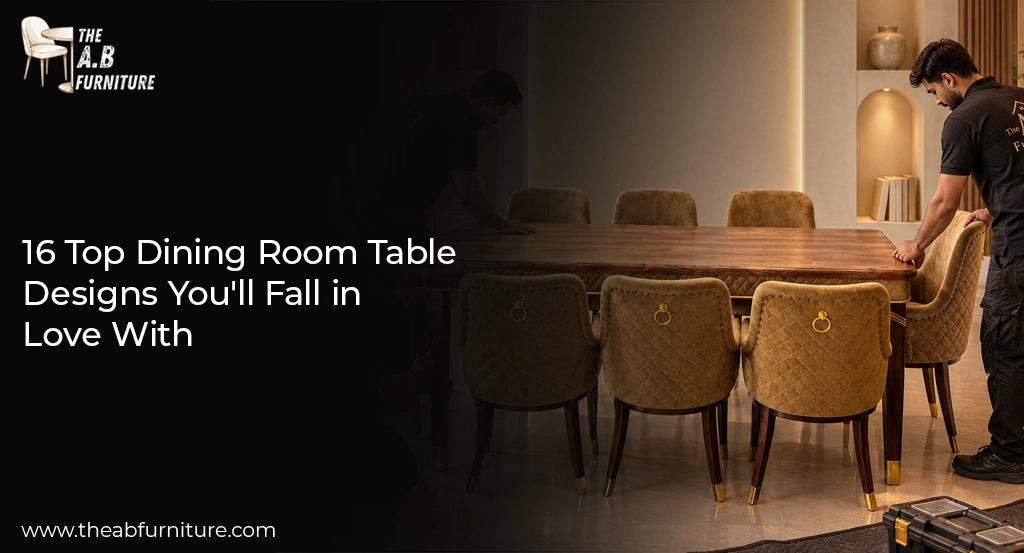
The dining table is more than a place to enjoy meals. It is often the heart of the dining room, where families gather, guests are entertained, conversations continue over dinner, and everyday moments become memories. Choosing the right dining room table design can completely change the appearance and functionality of your home.
In 2026, dining furniture is moving toward warmer materials, softer shapes, flexible designs, and statement-making details. Round and oval tables are receiving renewed attention, while natural wood, marble, stone, sculptural bases, and extendable designs are becoming popular choices for contemporary interiors.
Whether you have a spacious formal dining room, a compact apartment, or an open-plan kitchen and dining area, there is a table design that can complement your space.
Here are 16 dining room table designs worth considering for your home.
A solid wood dining table is one of the most timeless choices for a home. Oak, walnut, ash, and other natural wood finishes can bring warmth and character into the dining area.
The beauty of a wooden table is its versatility. It can work with traditional dining chairs, modern upholstered seating, farmhouse décor, or minimalist interiors.
Natural wood finishes are particularly appealing because they allow the grain and texture of the material to become part of the room’s décor.
Best for: Family dining rooms, traditional homes, modern interiors, and long-term furniture investments.
If you prefer clean interiors, a minimalist dining table may be the perfect option.
These tables typically feature simple surfaces, straight or gently curved lines, and understated bases. Instead of elaborate decoration, the design focuses on proportions, materials, and functionality.
A minimalist table works especially well in contemporary homes where you want the dining area to look clean without feeling empty.
Pair it with simple upholstered or wooden chairs and a modern pendant light for a cohesive look.
Round dining tables have become increasingly popular because they create a more intimate and conversational dining experience. Current 2026 design coverage also highlights the return of round tables as an important dining-room trend.
Without corners, a round table can make movement easier in smaller rooms. Everyone also faces toward the center, making conversations feel more natural.
A round table can be particularly useful in:
A pedestal base can make the design even more practical by providing additional legroom.
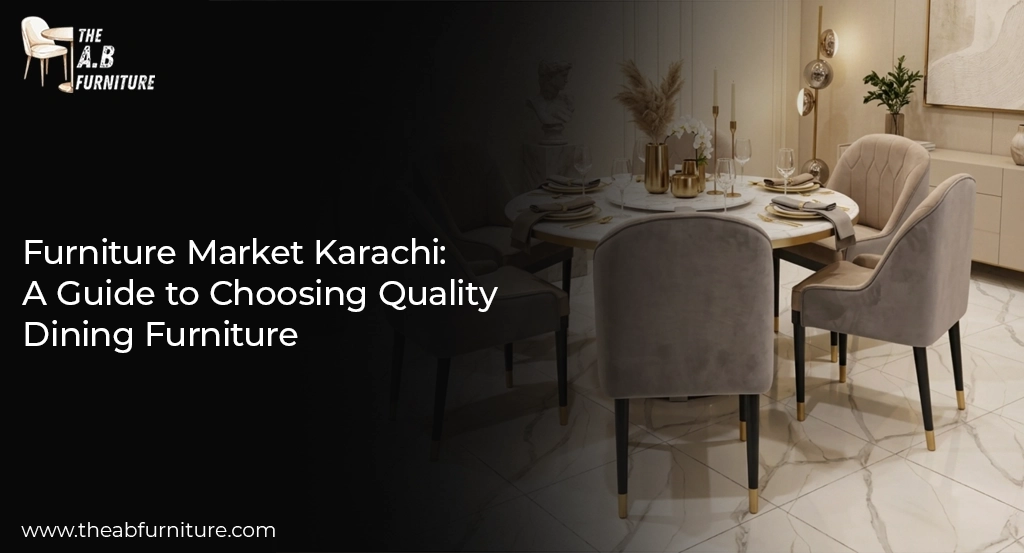
For homeowners who want a luxurious appearance, a marble dining table can make a dramatic statement.
Marble introduces natural patterns and veining, so every tabletop has its own visual character. White, cream, beige, grey, and darker marble finishes can be paired with different interior styles.
For a softer contemporary appearance, combine a marble top with upholstered chairs and warm lighting.
Marble and other natural stones are also appearing strongly in current dining-room trends, particularly when combined with sculptural bases.
Best for: Luxury interiors, formal dining rooms, villas, and statement spaces.
An extendable dining table is an excellent choice when you need flexibility.
You can keep the table compact for everyday family meals and extend it when guests arrive. Modern extendable designs are increasingly focused on making the extension mechanism less visually obvious while maintaining attractive proportions.
This makes an extendable table particularly useful for homes where the dining room needs to perform multiple functions.
Look for:
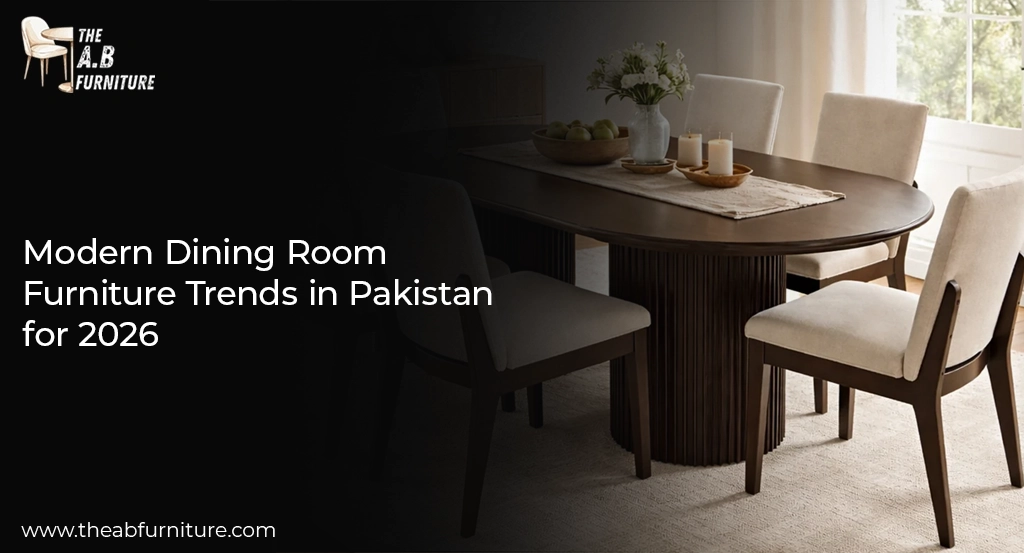
An oval dining table combines some of the advantages of rectangular and round designs.
It can provide generous seating while avoiding the sharp corners associated with traditional rectangular tables. Its curved silhouette can also make a dining room feel softer and more relaxed.
Oval tables work beautifully in long rooms, open-plan spaces, and contemporary homes.
Pair an oval table with curved-back chairs to emphasize the flowing shape.
Farmhouse dining tables bring a relaxed and welcoming character to the room.
Traditional versions often feature substantial wooden tops, sturdy legs, trestle bases, and visible wood grain. Modern farmhouse designs can be cleaner and more refined while retaining the warmth of traditional furniture.
Light and natural wood finishes are especially suitable if you want the room to feel bright and comfortable.
A farmhouse table can also be paired with a mixture of chairs and benches rather than a perfectly matching dining set.
Glass dining tables can make a room feel visually lighter.
Because the transparent surface does not visually dominate the room, glass can work particularly well in smaller dining areas. It can also complement modern metal, wooden, or sculptural bases.
A glass tabletop paired with a distinctive base can create an attractive focal point without making the dining area appear heavy.
Best for: Contemporary apartments, compact dining rooms, minimalist homes, and modern interiors.
For something more natural and distinctive, consider a live-edge dining table.
Instead of cutting the edges into a perfectly straight shape, the table preserves some of the natural outline of the wood.
This means each table can have its own character.
A live-edge top can work particularly well with simple metal or wooden legs because the natural tabletop becomes the main feature.
It is a strong choice if you want your dining table to feel more organic rather than mass-produced.
The base of a dining table can be just as important as the tabletop.
Sculptural pedestal tables use a central base with interesting curves, geometric shapes, or architectural forms. Current dining trends are placing greater emphasis on sculptural bases and distinctive silhouettes.
One practical advantage of a pedestal is that it can provide more flexible legroom compared with traditional four-legged designs.
Try pairing a sculptural pedestal with a round, oval, or stone tabletop.
Industrial dining tables combine materials such as wood and metal to create a strong, contemporary appearance.
A wooden top with black or dark metal legs is a classic combination. You can also find industrial designs featuring reclaimed wood, steel frames, concrete-inspired surfaces, or mixed materials.
This style works particularly well in loft-style interiors and modern homes with exposed architectural elements.
To soften the look, add upholstered chairs, a textured rug, and warm lighting.
Mid-century modern furniture continues to influence contemporary interiors because of its clean lines and functional design. Modern interpretations often combine classic silhouettes with warmer materials and contemporary textures.
Typical characteristics include:
A mid-century table can be combined with different chair styles to create a more personalized dining room rather than a perfectly matched furniture set.
Why choose between natural wood and stone when you can combine them?
A marble or stone tabletop with a wooden base creates an attractive contrast between hard, polished surfaces and warm natural textures.
This combination works particularly well in contemporary dining rooms where homeowners want luxury without making the room feel overly formal.
Warm wood can also balance the cooler appearance of marble or stone.
Not every home needs a large dining table.
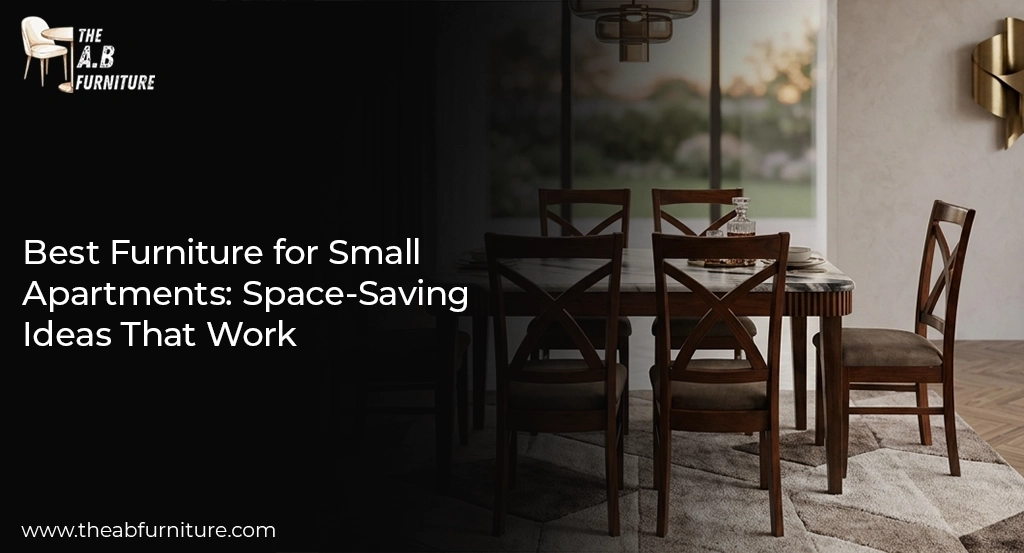
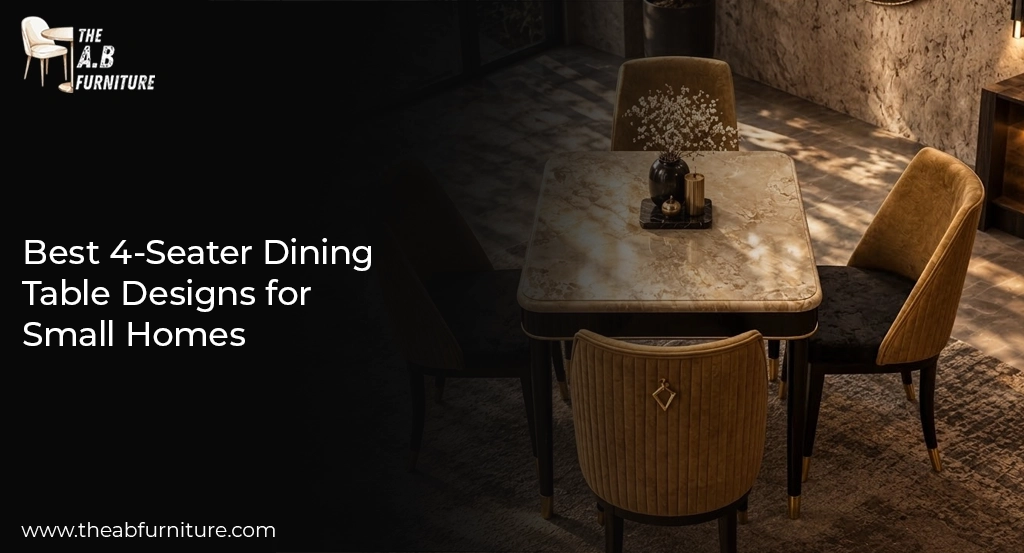
For apartments and smaller dining areas, a compact table can provide comfortable seating without consuming the entire room.
Consider:
A smaller table can also make a room easier to move through, particularly when the dining area shares space with a kitchen or living room.
If you prefer classic furniture, a carved wooden dining table can add a sense of craftsmanship and tradition.
Decorative legs, carved aprons, detailed edges, and rich wood finishes can create a formal appearance. These tables are especially suitable for homes with traditional architecture and classic furniture.
For a balanced look, coordinate the table with comfortable upholstered chairs and traditional lighting.
In South Asian interiors, carved wooden tables, marble-top designs, brass details, and large six- or eight-seater arrangements remain popular furniture directions.
Stone dining tables are ideal if you want a bold centerpiece.
Travertine, marble, quartzite, and other stone-inspired surfaces can add texture and visual depth. Current 2026 interior trends show strong interest in natural stone and sculptural forms, especially when used to create tables that feel more like architectural objects.
A stone table can be paired with soft upholstered chairs to create contrast.
For a modern look, choose a simple stone top with a curved or sculptural base.
With so many styles available, choosing the right table is not simply about finding the most attractive design. You also need to consider your room, lifestyle, seating requirements, and existing décor.
Measure your available space before purchasing a table.
Leave enough room around the table for people to sit comfortably and move chairs backward. A beautiful table can become impractical if it leaves insufficient circulation space.
For smaller rooms, round, oval, pedestal, or extendable tables can provide useful flexibility.
Your daily seating requirements should influence the size and shape of the table.
A small household may not need a large eight-seater table. However, if you regularly host family members or friends, an extendable design can provide additional flexibility.
Think about both everyday use and special occasions before making your choice.
Different materials require different levels of care.
Wood: Warm, versatile, and timeless.
Marble: Luxurious and visually distinctive but requires appropriate care.
Glass: Light-looking and contemporary but shows fingerprints and marks more easily.
Stone: Durable-looking and substantial, with a strong visual presence.
Metal: Modern and practical, particularly when combined with wood or glass.
Your table and chairs do not necessarily need to come from the same collection.
Mixing materials and silhouettes can make the dining room feel more curated.
For example, a natural wood table can work with:
The key is to create some visual connection through color, material, shape, or proportion.
A dining table looks considerably better when it has suitable lighting above it.
Pendant lights, chandeliers, linear fixtures, and sculptural lamps can all help define the dining area.
For a round table, a centralized pendant or chandelier can work well. A long rectangular or oval table may benefit from a linear fixture or multiple pendants.
A dining room rug can visually anchor the furniture.
Choose a rug that extends beyond the chairs when they are pulled away from the table. This helps prevent chair legs from catching on the rug’s edge.
For patterned tables or chairs, a simpler rug may provide balance. If the furniture is understated, a textured or patterned rug can add personality.
Your room layout should influence the table shape.
| Dining Table Shape | Best For |
|---|---|
| Rectangular | Large rooms and family dining |
| Round | Small rooms and conversation |
| Oval | Flexible seating and softer layouts |
| Square | Compact square dining areas |
| Extendable | Homes that frequently host guests |
| Pedestal | Extra legroom and flexible seating |
There is no universal shape that works for every home. The best option depends on your available floor space, number of users, and preferred interior style.
The right dining room table can completely transform the atmosphere of your home. From timeless solid wood and elegant marble to contemporary stone, compact round tables, farmhouse designs, and flexible extendable options, today’s choices offer something for almost every interior.
Current design trends are increasingly focused on creating dining spaces that feel warm, practical, and personal rather than overly formal. Natural materials, rounded shapes, sculptural bases, and adaptable furniture are helping dining rooms become more comfortable and visually interesting.
Before buying, consider your room dimensions, seating requirements, lifestyle, material preferences, and existing décor. The perfect dining table is not simply the one that looks beautiful in a showroom—it is the one that fits naturally into the way you live.
Whether you prefer a classic wooden table, a luxurious marble centerpiece, or a modern extendable design, the right dining table can become the centerpiece around which your entire dining room comes together.
Round and oval dining tables are receiving significant attention in 2026, alongside traditional rectangular designs. Their softer shapes can improve conversation and work well in a variety of room layouts.
Yes. Natural wood remains a versatile choice because it works with traditional, farmhouse, mid-century, and contemporary interiors. Warm wood tones are also prominent in current dining furniture trends.
Yes. A round table can be particularly useful in compact rooms because it eliminates corners and can make movement around the table easier.
Extendable tables can be useful when you need different seating capacities for everyday meals and larger gatherings. Modern designs can provide flexibility without sacrificing appearance.
Marble and natural stone can create a luxurious appearance, while high-quality wood can provide warmth and timeless elegance. The best choice depends on the overall interior and maintenance requirements.
Start by measuring your dining area and considering how many people need to sit comfortably. Make sure there is sufficient space around the table for chairs and movement before selecting the final dimensions.